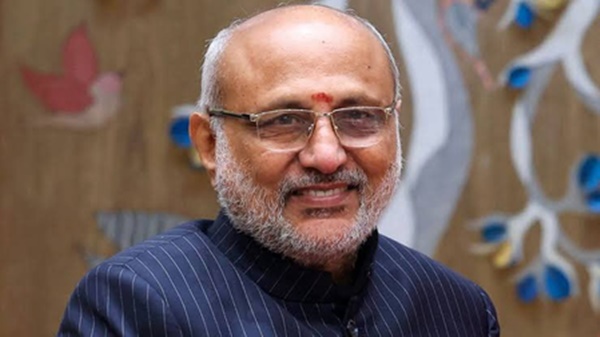
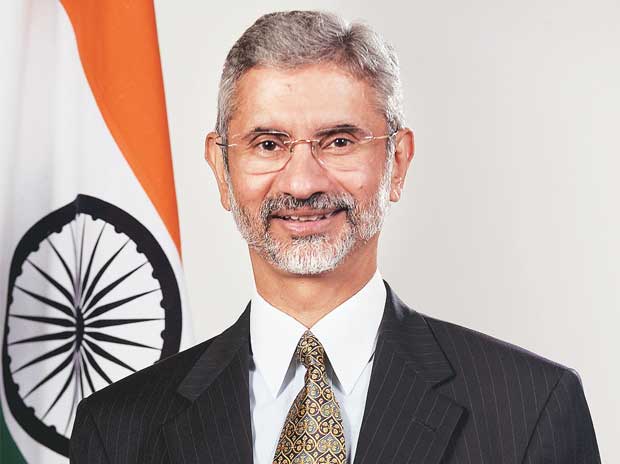
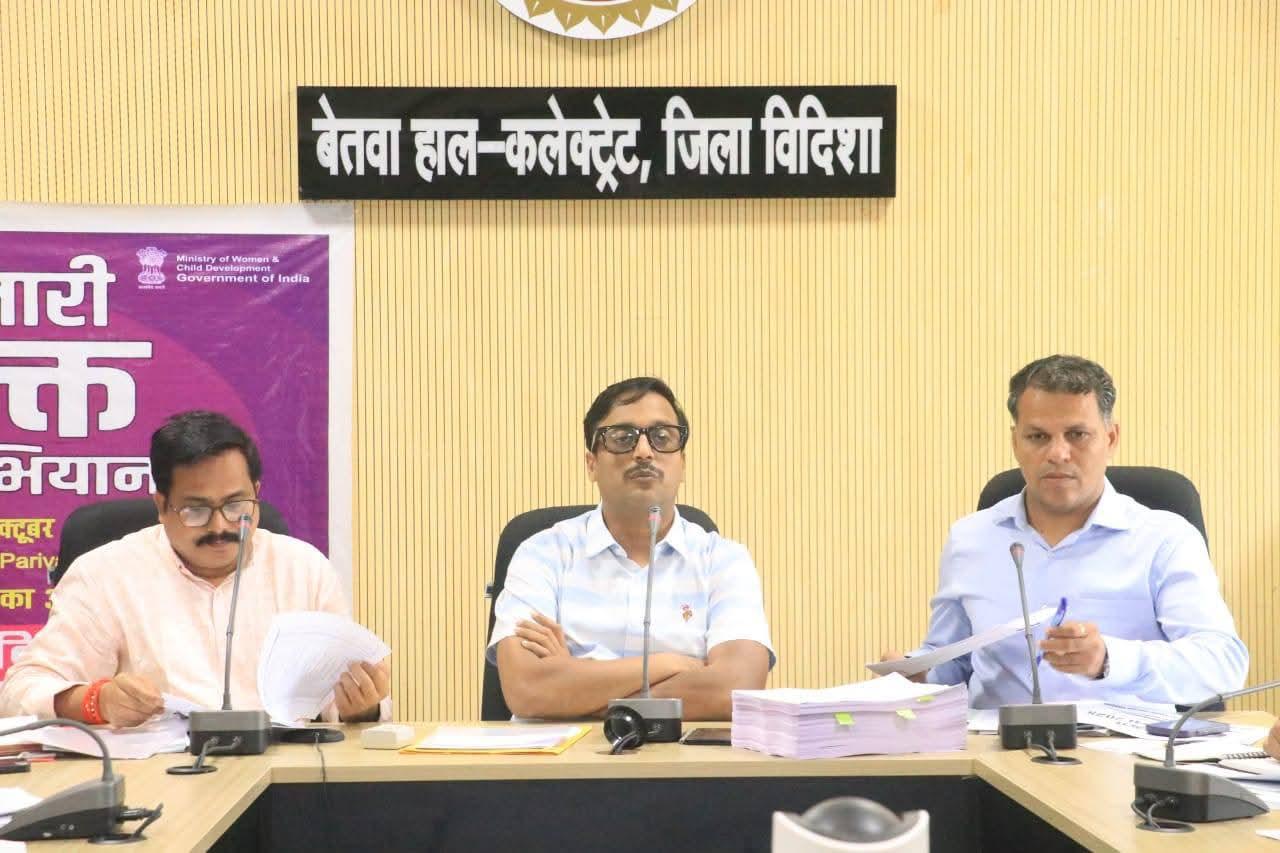
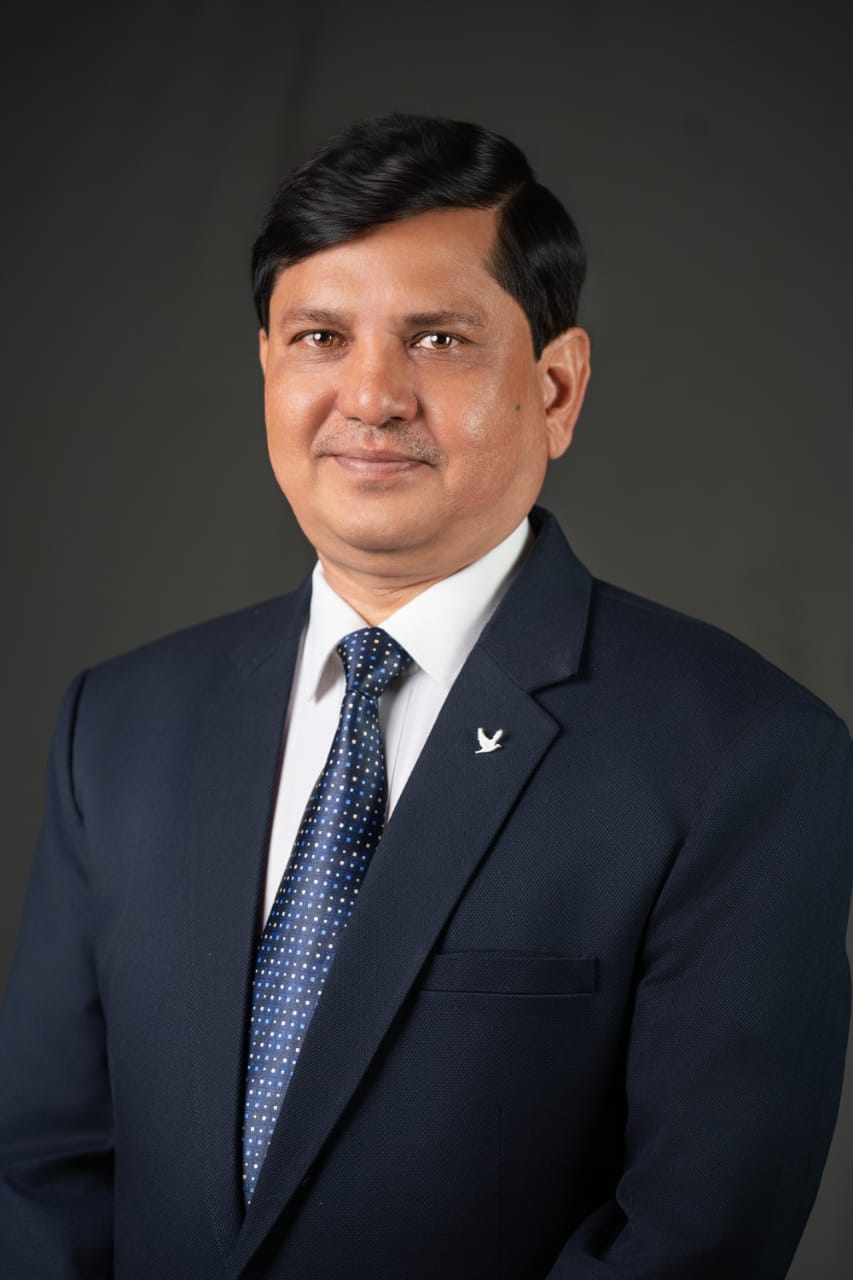
C. P. Radhakrishnan, today inaugurated the Third International Conference on Indian Languages in New Delhi. The Conference was organised by Vaishvik Hindi Parivaar, Antarashtriya Sahyog Parishad, Indira Gandhi National Centre for the Arts, and the Department of Bharatiya Bhasha, University of Delhi.Addressing scholars, linguists and international delegates, the Vice-President described language as the conscience of civilisation, carrying collective memory, knowledge systems and values across generations. From ancient stone inscriptions and palm-leaf manuscripts to the digital scripts of today, he said, languages have preserved philosophies, sciences, poetry and ethical traditions that define humanity.
Recalling his recent participation in Siddha Day celebrations in Chennai, the Vice-President said he had seen a large number of palm-leaf manuscripts, which stand as enduring testimony to India’s vast and multilingual knowledge traditions. He observed that every Indian language has contributed profoundly to philosophy, medicine, science, governance and spirituality.
The Vice-President underlined that India’s many languages have never divided the nation; instead, they have preserved and strengthened a shared civilisational ethos and a common Dharma.
Sharing his experience from his first session of Parliament as Chairman of the Rajya Sabha, the Vice-President noted that an increasing number of Members of Parliament are now speaking in their respective mother tongues. He also recalled that the copy of translation of Constitution of India was recently released in the Santhali language by the President of India,Smt. Droupadi Murmu, describing it as a significant step towards linguistic inclusion and democratic respect for all speech communities.
The Vice-President noted that the Constitution of India and its Eighth Schedule reflect India’s ancient wisdom by recognising and celebrating linguistic diversity, affirming that national unity rests not on uniformity but on mutual respect. Democracy, he said, flourishes when every citizen can express themselves in their own language.
Highlighting contemporary challenges, he cautioned that many indigenous languages across the world are endangered. Language Conferences, he said, play a vital role in strengthening research, international academic collaboration and the preservation of ancient scripts and manuscripts, particularly of endangered languages.
Referring to initiatives under the leadership of Prime Minister Shri Narendra Modi ji, the Vice-President highlighted the National Education Policy 2020, which promotes multilingual education, and appreciated the Gyan Bharatam Mission for preserving and disseminating manuscripts of Indian languages, reaffirming India’s belief that knowledge is sacred and meant to be shared.

Copyright © 2017 Indian Grapevine a unit of Integrated Media Enterprises