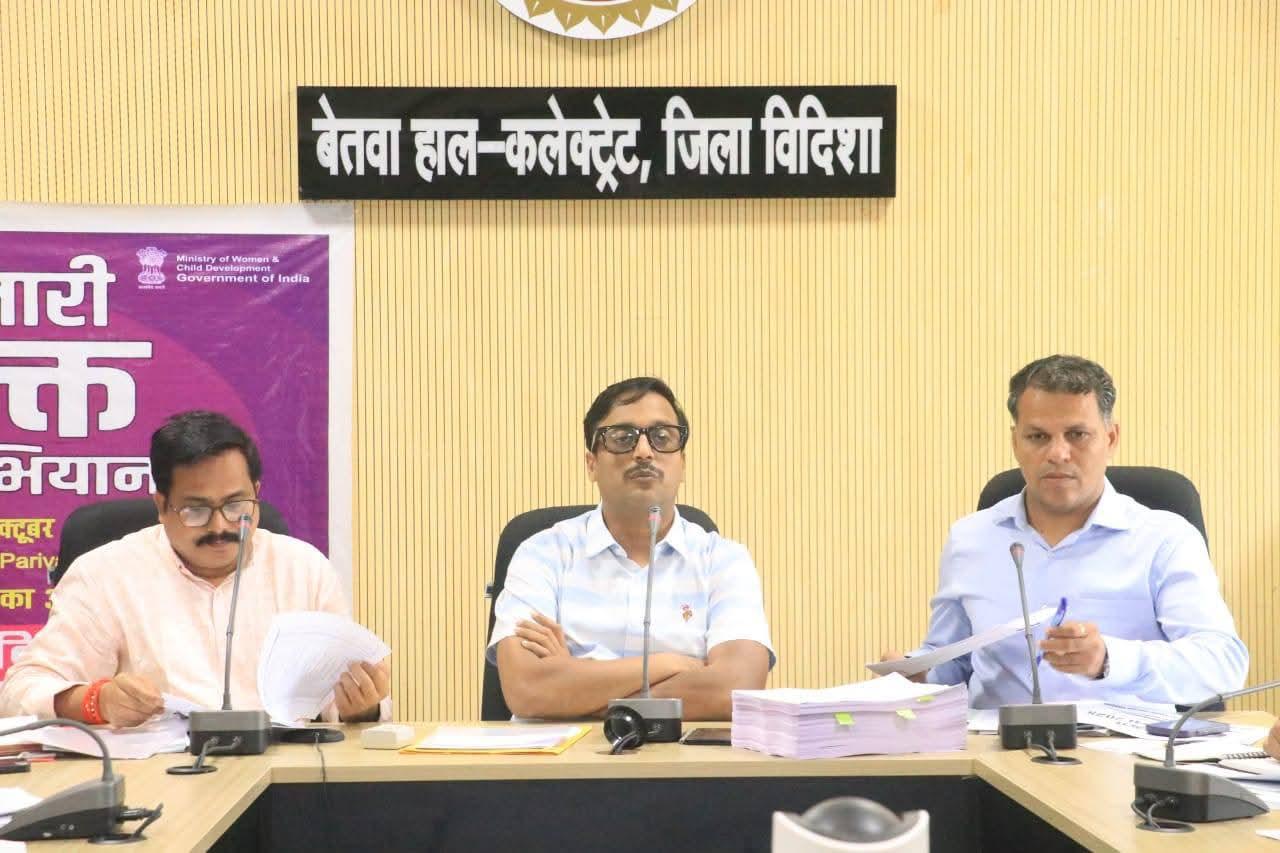
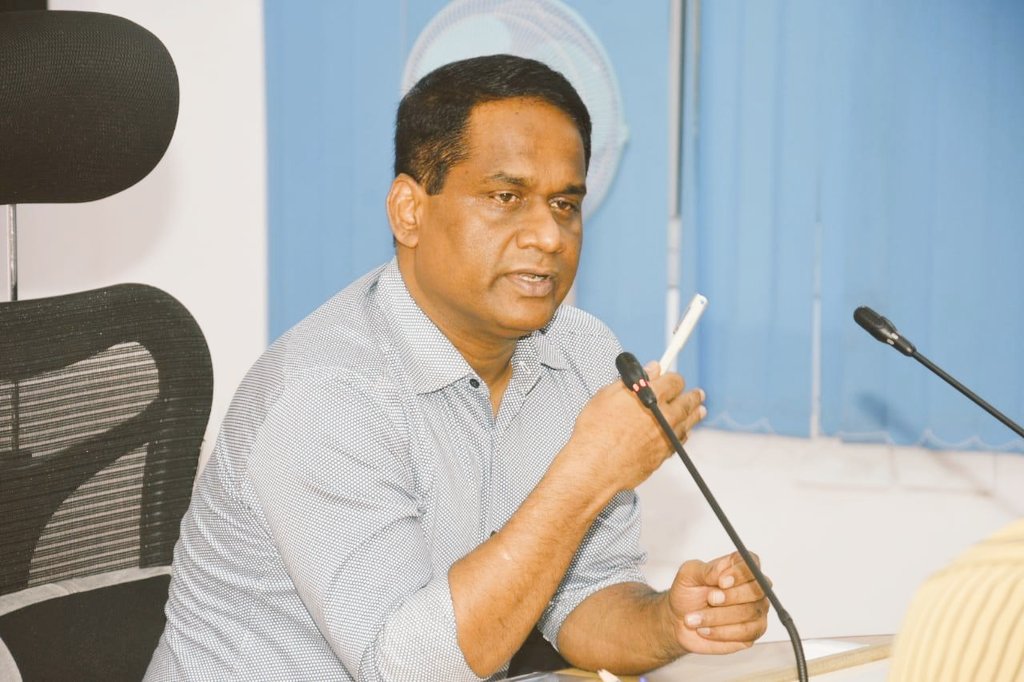
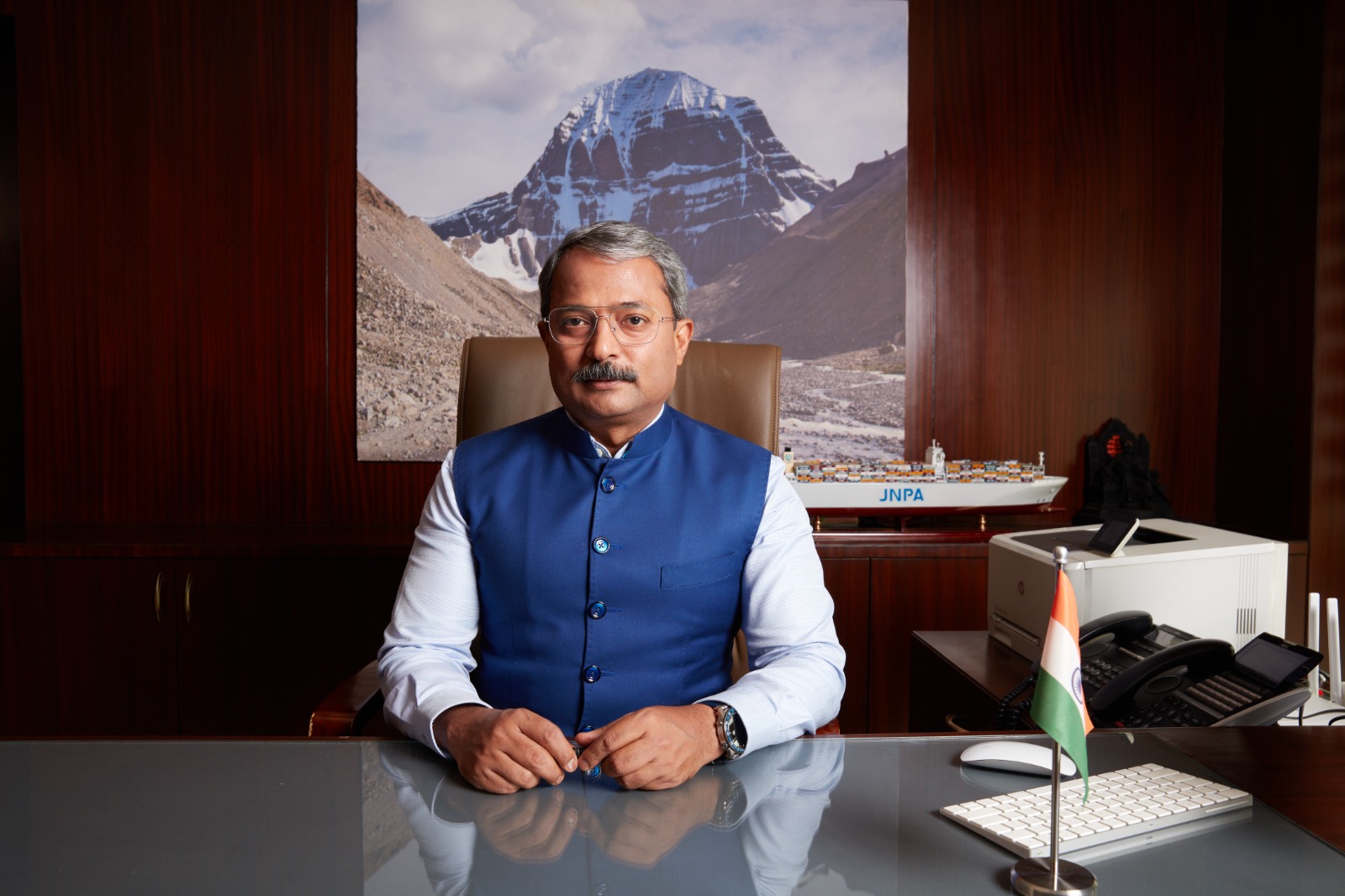
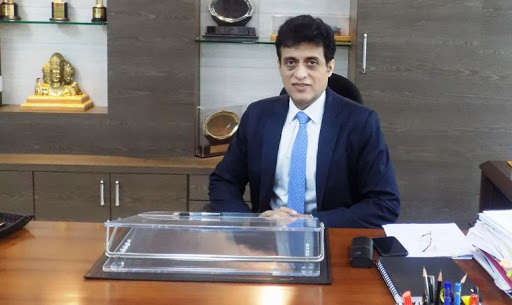
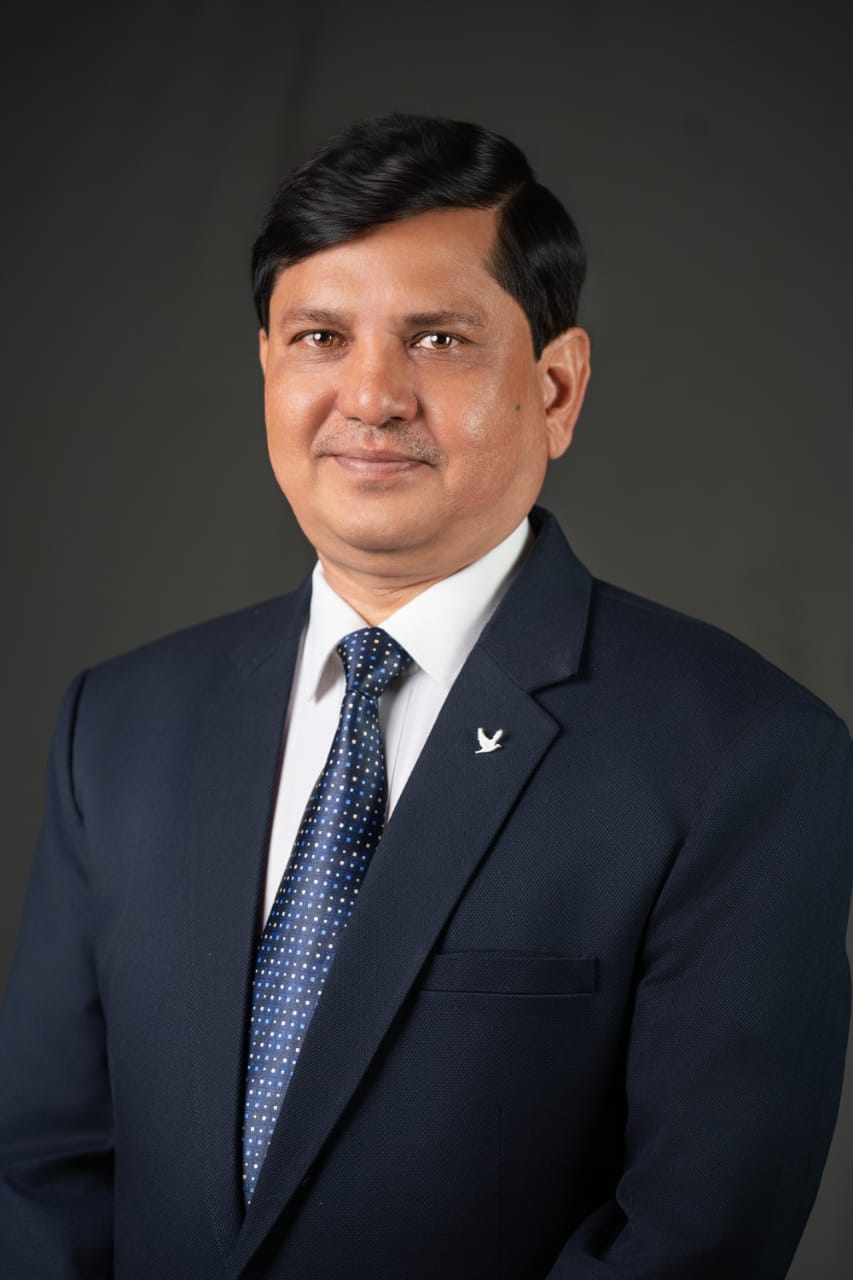
Anshul Gupta is an accomplished civil servant who has served as both an IPS officer and later as an IAS officer, bringing a unique blend of law-enforcement experience and administrative expertise to his work. He began his career in the Indian Police Service (IPS), 2012 batch, Uttar Pradesh Cadre, where he served in key policing roles, including Bareilly, Jhansi and other field postings, before transitioning to district leadership responsibilities. Later, he joined the Indian Administrative Service (IAS), 2016 batch, also from the Madhya Pradesh Cadre, further strengthening his engagement with governance and public welfare. Known for his calm leadership, structured decision-making, and people-first approach, he draws heavily from his strong academic foundation in Electrical Engineering, Instrumentation Engineering, and Management. His journey from IPS to IAS, supported by deep technical and policy insight, allows him to approach complex public challenges with clarity, balance, and empathy.
Your administrative journey has spanned grassroots roles to major district responsibilities. Which experiences shaped your governance style the most?
Myadministrative journey, spread across both the IndianPolice Service (IPS)and the IndianAdministrative Service (IAS), has shaped a governance style that is structured, people-first, and deeply rooted in ground realities.Each phase of my career contributed distinct lessons that today define how I approach public administration.
My early service in the IPS (Uttar Pradesh cadre) provided some of the most formative experiences. Handling law and order in sensitive regions such as Bareilly, Jhansi, Meerut, Moradabad and Aligarh taught me the value of calm decision-making under pressure and the importance of earning community trust. Managing large teams, supervising complex investigations, and responding to crises strengthened my ability to take quick yet balanced decisions. These years also exposed me to socio-economic vulnerabilities at the grassroots, helping me understand that effective governance must combine firmness with empathy.
Transitioning to the IAS (Madhya Pradesh cadre) broadened my administrative lens from enforcement to long term development. Roles such as SDM, CEO Zila Panchayat, MunicipalCommissioner Ujjain, CEO Smart City Jabalpur, Managing Director MPSEDC, and later District Collector Vidisha allowed me to work across urban management, digital governance, infrastructure creation, rural development, and scheme convergence. Implementing initiatives like faceless mutation, AI-assisted crop surveys, smart mobility systems, and major urban projects such as Mahakal Lok strengthened my belief that technology, when combined with citizen-centric processes, can dramatically improve service delivery.
Experiences in rural districts like Umaria, where I worked closely on education, health, nutrition,tribal welfare, and livelihoods, reinforced the importance of listening to communities and enabling local institutions. These assignments shaped my conviction that governance is most effective when it is decentralized, transparent, and inclusive.
Additionally, my work during disasters and public emergencies taught me that empathy and speed must go hand-in-hand. Ensuring timely relief for vulnerable groups strengthened my commitment to responsiveness and humane administration.
Together, these experiences—grassroots policing, district-level development, large-scale project execution, and digital transformation—have shaped a governance style that is data-driven, technology-enabled, and firmly grounded in the needs of people.
You have been strongly associated with digital governance reforms. What recent initiatives have you taken to improve public service delivery through technology?
Digital governance has been one of the central pillars of my administrative work, and in recent years I have focused on building systems that make public service delivery faster, more transparent, and more citizenfriendly. My approach has been to use technology not as an end in itself, but as a tool to simplify processes, reduce delays, and ensure that people—especially those in rural and remote areas—receive services with dignity and minimal friction.
During my tenure as Managing Director of the Madhya Pradesh State Electronics Development Corporation (MPSEDC), several major digital reforms were conceptualized and implemented. One of the most impactful was the formulation of the Single Citizen Database, making MadhyaPradesh only the second state in India to build such aunified digital profile for residents. This system enabledseamless verification, reduced duplication across schemes, and improved the targeting of welfare benefits.
I also oversaw the expansion of the State Data Centre, implementation of a new cloud policy, and digital space optimization, allowing government departments to migrate services to secure, scalable platforms. This created the backbone for multiple online services, including grievance redressal portals and real-time monitoring dashboards.
A transformative reform was the introduction of faceless mutation through Cyber Tehsil, which eliminated physical visits, reduced processing time, and minimized human interface in revenueservices. Likewise, the deployment of AIbased crop estimation and digital Girdawari significantly improved accuracy and transparency in agricultural assessments. The Revenue Court Management System (RCMS) further streamlined case tracking and reduced pendency.
In urban governance, particularly in Ujjain and Jabalpur, I implemented projects such as intelligent traffic management systems, drone-based property surveys, smart nameplate systems, and citywide digital monitoring networks. These interventions modernized municipal service delivery and enhanced citizen engagement.
Alongside these structured reforms, I have consistently promoted the adoption of online certificates, digital grievance systems, and paperless office processes across departments, aligning with the broader goal of improving accessibility for both rural and urban populations.
Collectively, these initiatives have strengthened transparency, reduced service delivery timelines, and built greater public trust—reflecting my long-term commitment to a digitally empowered and citizen-driven governance ecosystem.
Rural development remains a major focus area across many states. Can you share your latest rural infrastructure projects and the impact they are creating?
Rural development has been centralto my district and state level responsibilities, and the recent initiatives I have overseen focus on strengthening lastmile infrastructure while improving thequality of essential services. Each intervention is designed to address specific gaps—whether in connectivity, water access, health systems, or local governance capacity.
As CEO Zila Panchayat Umaria, one of the significant rural infrastructure efforts involved strengthening drinking water systems, school buildings, anganwadi infrastructure, and primary health facilities across tribal-dominated blocks. Close monitoring of construction quality and fund utilization ensured timely completion, allowing remote villages to gain dependable access to basic services such as clean water, functional classrooms, and maternal–child health spaces. These improvements directly enhanced attendance in schools and reduced dependency on unsafe water sources.
Another impactful initiative was the revival of local water bodies, including the rejuvenation of Yam Tallaiya and Rudrasagar (supported through community and volunteer participation). While not large in cost, these efforts had a substantial ecological and livelihood impact—improving groundwaterrecharge, supporting irrigation for small farmers, and creating shared community assets that strengthened local participation in conservation.
On the connectivity front, rural road and mobility enhancement projects ensured that previously isolated habitations received reliable access to markets, health centers, and schools. Better roadconnectivity reduced travel time for medical emergencies and improved access to employment opportunities—especially for youth and women. These gains, though incremental, have been essential for shifting villages from subsistence-driven economies toward broader developmental participation.
To strengthen farmer identity, access to schemes, and data-driven planning, the district introduced the भूिमèवामी काड[, a personalised farmer information document. It captures complete land, crop, irrigation, livestock, and financial details to improve service delivery, credit access, and tailored agricultural advisories.
Additionally, targeted work in tribal welfare, SHG mobilisation, skill training, and support to micro and small rural enterprises created complementary social infrastructure. This has begun to translate into improved household incomes, stronger local governance, and greater involvement of women’s groups in local planning.
Overall, the recent rural infrastructure projects have focused on creating resilient village systems— where water security, connectivity, education, and health facilities act as the foundation for long- term socio-economic mobility. The impact is visible in improved service utilisation, reduced hardship for remote communities, and the emergence of stronger, more confident local institutions.
Data-driven governance has become indispensable for improvingadministrative precision, and in my recent assignments I have worked to shift departments from reactive decisionmaking to proactive, insightled management. The emphasis has been on building systems where data is continuously captured, analysed, and translated into actionable decisions at the field level.
At the statewide level, while serving as Managing Director of MPSEDC,a key step was strengthening the State Data Centre and expanding its capacity to host real-time departmental applications. This allowed multiple departments to integrate dashboards, automate data flows, and use analytics to monitor performance indicators with greater accuracy. The development of the Single Citizen Database further enabled multi-department convergence by linking welfare schemes to a unified profile, reducing duplication and improving data integrity for beneficiary targeting.
In the revenue and agriculture domains, the rollout of AI-based crop estimation and digital Girdawari has been one of the most significant analytical interventions. By combining satellite imagery, field inputs, and predictive models, the system provides high-frequency crop data used for compensation decisions, acreage verification, and planning of procurement operations. This has notably reduced disputes and improved the reliability of crop assessments.
For administrative transparency, the Revenue Court Management System (RCMS) introduced structured data tracking for case pendency, timelines, and disposal patterns. It not only enabled supervisors to identify bottlenecks but also helped streamline workflow distribution across officers.
Within urban governance—particularly during my tenure in Ujjain—digital monitoring tools such as drone-based property surveys, sensor-driven traffic systems, and centralised dashboards were used to track municipal revenues, enforce compliances, and guide infrastructure planning.
Across these initiatives, the core principle has been simple: reliable data should reduce discretion, improve speed, and enhance accountability. By institutionalising digital monitoring tools, departments are now better equipped to make timely, evidence-backed decisions that directly improve service delivery at the ground level.
Citizen grievance redressal is one of the most sensitive indicators of how people experience governance, and in my recent roles I have prioritised reforms that make the system faster, more transparent, and accessible to every section of society. My approach has been to streamline processes, reduce human interface, and ensure that complaints are resolved within clearly monitored timelines.
A major step in this direction has been the shift toward digitised, trackable grievance platforms. During my work at the state level, departments increasingly adopted online modules where citizens could file complaints without visiting offices. These platforms offered automated acknowledgements, time-bound resolution workflows, and escalation triggers if delays occurred. By reducing manual handling, the system became more predictable and less prone to pendency.
In the revenue administration, the introduction of faceless mutation through Cyber Tehsil significantly improved grievance handling related to land services. Earlier, land mutation disputes and delays often resulted in repeated visits and uncertainty for citizens. With the new system, applications are filed online, processed transparently, and monitored through a digital trail, ensuring faster resolution and reducing the scope for discretionary decision-making.
Urban governance reforms also played an important role. In Ujjain, drone-based surveys and digitised property records reduced property-related complaints by eliminating discrepancies in physical measurement and ensuring that citizens had access to accurate, updated records. Similarly, the intelligent traffic management system offered real-time visibility to supervisors, enabling quick intervention in congestion-related grievances.
In rural districts, grievance response was strengthened by integrating field teams through digital communication channels, allowing faster verification and quicker delivery of solutions—especially in welfare schemes, water supply issues, and service delays.
Across all these reforms, the focus has been on transparency, traceability, and accountability. By ensuring that every grievance gets a digital footprint and a predictable resolution pathway, the system today is more citizen friendly, more responsive, and significantly more trusted by the public.
Strengthening last-mile delivery in health and social welfare has been a consistent priority throughout my district and state-level responsibilities. My recent efforts have focused on tightening field execution, reducing leakages, and ensuring that vulnerable households—especially tribal communities, young children, and mothers—receive timely and dignified access to essential services.
During my tenure as CEO Zila Panchayat Umaria, several targeted interventions were implemented to improve service reach in remote and tribal areas. A major step was strengthening Anganwadi and primary health infrastructure, ensuring that centres were functional, staffed, and well-equipped to deliver nutrition, immunisation, and maternal–child health services. Regular inspections, digital attendance systems, and structured monitoring mechanisms significantly reduced service gaps and enhanced community trust. Upgrading drinking water systems in rural habitations further contributed to better health outcomes. Reliable access to clean water reduced waterborne ailments and allowed frontline workers to integrate sanitation, hygiene, and nutrition campaigns more effectively with local households.
To improve the reach of welfare schemes, women’s Self-Help Groups (SHGs) were positioned as community anchors. Their involvement in nutrition drives, livelihood programmes, and welfare awareness campaigns ensured that government benefits reached the right families without delay. SHG feedback also helped departments identify delivery gaps quickly and resolve them in real time. In parallel, stronger interdepartmental convergence ensured that schemes such as mid-day meals, supplementary nutrition, and maternal support were coordinated rather than functioning in silos— improving consistency and reducing duplication.
Poshan Sanjeevani Abhiyan: A District-Level Innovation for Malnutrition-Free Vidisha
As Collector, Vidisha, a major recent intervention has been the launch of the “Poshan Sanjeevani Abhiyan” to combat severe acute malnutrition among children under five. Recognising that sustained nutrition support requires both administrative effort and community ownership, the district created Nutri-Kits entirely through jan sahbhagita (public participation). Social organisations, public representatives, and government employees collaborated to prepare kits containing a three- month supply of nutritious items—such as moongfali, sattu, dals, jaggery, soybean products, oil, and ghee—along with a tiffin box, water bottle, and a nutrition training module for caregivers.
Launched on 30 June 2025, the campaign identified 1,272 severely malnourished children, of which 1,235 have already received Nutri-Kits, resulting in 698 children recovering and moving into the normal category. Continuous monitoring by anganwadi teams and the Women & Child Development Department ensured discipline, follow-up, and transparency.
Together, these initiatives—strengthened health systems, reliable water access, SHG-led community participation, departmental convergence, and the Poshan Sanjeevani innovation— have significantly improved the last-mile delivery of health and welfare services, making them more equitable, accountable, and impactful for the most underserved communities.
Disaster management demands speed, clarity of coordination, and a strong community interface, and my recent efforts have centred on building systems that respond effectively to vulnerable groups during emergencies. The emphasis has been on preparedness, rapid mobilisation, and ensuring that relief reaches the last household without delay or exclusion.
In my district-level assignments, one of the most important steps has been establishing tightly coordinated field teams that include revenue staff, health workers, panchayat functionaries, and SHG volunteers. This decentralised structure ensured that information flowed quickly from villages to control rooms, allowing us to activate response teams within hours rather than days. During health emergencies and extreme weather events, this model helped deliver essentials—food packets, medical kits, drinking water supplies, and temporary shelter—to the most affected families.
A strong focus was placed on identifying and prioritising vulnerable groups, such as the elderly, migrant labourers, widows, and daily-wage earners. Mapping these households in advance allowed targeted relief distributions instead of broad, inefficient outreach. Community-level coordination helped ensure that no family was left out and that support was delivered in a dignified, predictable manner.
Equally important has been improving departmental coordination during crisis situations. Multi- department joint briefings and real-time communication channels enabled faster decision-making and reduced duplication of effort among teams handling health, logistics, transport, and local administration.
In parallel, frontline functionaries received strengthened training in rapid assessment methods, enabling them to evaluate damage, estimate requirements, and communicate ground realities accurately. This data-driven approach helped in mobilising appropriate quantities of relief material without wastage or shortage.
These recent efforts—community-centred planning, prioritisation of vulnerable households, real- time coordination, and data-backed field assessments—have significantly strengthened emergency response systems. The result has been faster relief delivery, improved accountability, and higher public confidence during some of the most challenging situations faced by communities.
Improving execution speed and strengthening accountability has been a major priority in my recent administrative roles, especially given the scale and public importance of infrastructure and development projects. My approach has involved redesigning monitoring systems, enforcing clear responsibility structures, and reducing inefficiencies in coordination and procurement.
One of the most effective steps has been implementing structured, milestone-based project tracking. Departments and implementing agencies were required to map each project into smaller, verifiable phases with timelines, enabling faster detection of bottlenecks. This system was particularly useful during major urban development works in Ujjain, where projects associated with mobility, public amenities, and heritage restoration had tight completion windows. Milestone tracking helped ensure that vendors, engineers, and field teams remained aligned with expected outputs.
Strengthening financial discipline and documentation also played a crucial role. In municipal operations, prudent cash flow management and timely approvals helped eliminate delays that typically arise from funding uncertainty. This approach allowed Ujjain Municipal Corporation to reduce deficits and even reach a stage where successful market borrowings and groundwork for municipal bonds became possible—an outcome that directly reflects improved internal accountability.
To minimise execution lags, I also focused on cross-department coordination, ensuring that interdependent activities—such as utility clearances, land availability, and contractor mobilisation— were handled in parallel rather than sequentially. This reduced idle time and improved overall project turnaround.
A strong emphasis was placed on transparent procurement and vendor performance assessment. Consistent review meetings, escalation protocols, and performance audits ensured that contractors adhered to quality and timeline commitments, with corrective action taken promptly in cases of non- compliance.
Together, these interventions—milestone-driven monitoring, financial discipline, coordinated clearances, and stronger vendor accountability—have significantly accelerated project execution while ensuring that public assets are delivered with both quality and transparency.
Community participation has been central to ensuring that governance initiatives remain grounded, relevant, and sustainable. In my recent assignments, I have focused on involving panchayats, youth groups, and local community institutions not merely as beneficiaries, but as co- owners of development processes.
In tribal and rural districts such as Umaria, strengthening panchayati raj institutions was a priority. Regular coordination meetings with sarpanchs and ward members helped create shared accountability for school attendance, sanitation outcomes, and delivery of welfare benefits. This approach improved service utilisation and built stronger local ownership of public assets.
Community-driven initiatives also played a significant role in water body rejuvenation projects, such as the restoration of Yam Tallaiya and Rudrasagar. These efforts were supported entirely through community volunteers and local contributors, demonstrating how public participation can produce high-impact outcomes even with minimal government expenditure. The projects improved groundwater recharge and strengthened communal responsibility for environmental assets.
Women’s Self-Help Groups (SHGs) have been another major pillar of engagement. SHGs were mobilised for awareness drives on nutrition, sanitation, and livelihood programmes. Their involvement created a stronger grassroots network that not only improves welfare delivery but also empowers women to participate more actively in local governance.
In urban assignments, youth were engaged through initiatives linked to start-up incubation, cultural programmes, and citizen feedback systems. In cities like Ujjain and Jabalpur, participatory planning efforts—ranging from smart mobility feedback to heritage and cleanliness campaigns—helped align city projects with citizen expectations.
A major recent initiative has been the Gaumay Deepak Abhiyan, part of the larger Govardhan Project, which transformed cow-dung–based products into a livelihoods and sustainability movement. The programme mobilised 45 Gaushalas and 182 SHGs, training 2,150 women to manufacture eco-friendly Gaumay Diyas and other products. The Diwali 2025 campaign alone produced 25 lakh lamps, generating ₹12.5 lakh net profit, directly benefiting SHGs and Gaushalas.
The target of 1 crore lamps set by the district administration catalysed mass participation, supported by 108 diya-making machines capable of producing 1,200 lamps per day each.
This model created a circular rural economy—turning waste into wealth, promoting sustainable festivals, and generating large-scale women's livelihoods.
Overall, by integrating panchayats, SHGs, youth groups, and citizen volunteers into the design and monitoring of initiatives, governance becomes more transparent, responsive, and durable— ensuring that development is not something delivered to communities, but something built with them.
Looking at your current posting, what are your top three priorities for the district in the next year, and what progress have you already made?
As Collector of Vidisha, my priorities for the coming year revolve around strengthening grassroots governance, improving service delivery through technology, and accelerating rural development with a focus on inclusion. The district’s demographic diversity and developmental potential make these three areas both essential and high-impact.
Vidisha has a wide rural and tribal spread, making convergence of welfare schemes critical. My priority has been to streamline coordination across health, education, nutrition, and livelihood departments so that benefits reach households without gaps or duplication. Regular reviews with field teams, panchayats, and block-level officers have already resulted in better monitoring of frontline services and improved delivery of essential schemes. The effort aligns with my broader experience of integrating departments and promoting citizen-led governance.
Building on the state’s digital reforms, an important priority is to strengthen online grievance redressal, land services, and citizen-facing platforms in Vidisha. The aim is to reduce physical visits and improve transparency for rural residents who often face the longest delays. The district is already moving toward wider adoption of digital workflows, supported by the state’s expanded data infrastructure and innovations such as faceless mutation and digital monitoring tools. These systems form the backbone for faster, accountable service delivery.
Rural Vidisha requires sustained attention to drinking water systems, road connectivity, and public infrastructure. Leveraging my previous work in Umaria and Ujjain, the district is adopting rigorous monitoring for ongoing projects and ensuring panchayat involvement in planning and maintenance. Progress has already been visible in improved access to services, stronger SHG mobilisation, and better utilisation of rural infrastructure.
Together, these priorities—grassroots governance convergence, digital service delivery, and community-driven rural development—aim to make Vidisha a more responsive, transparent, and development-ready district over the next year.

Copyright © 2017 Indian Grapevine a unit of Integrated Media Enterprises