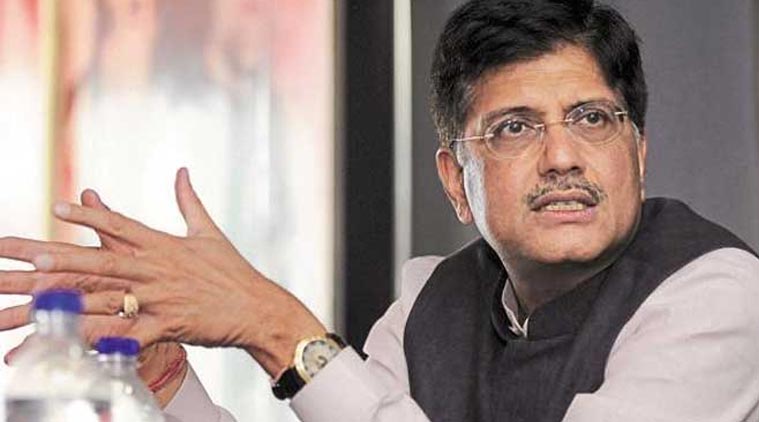
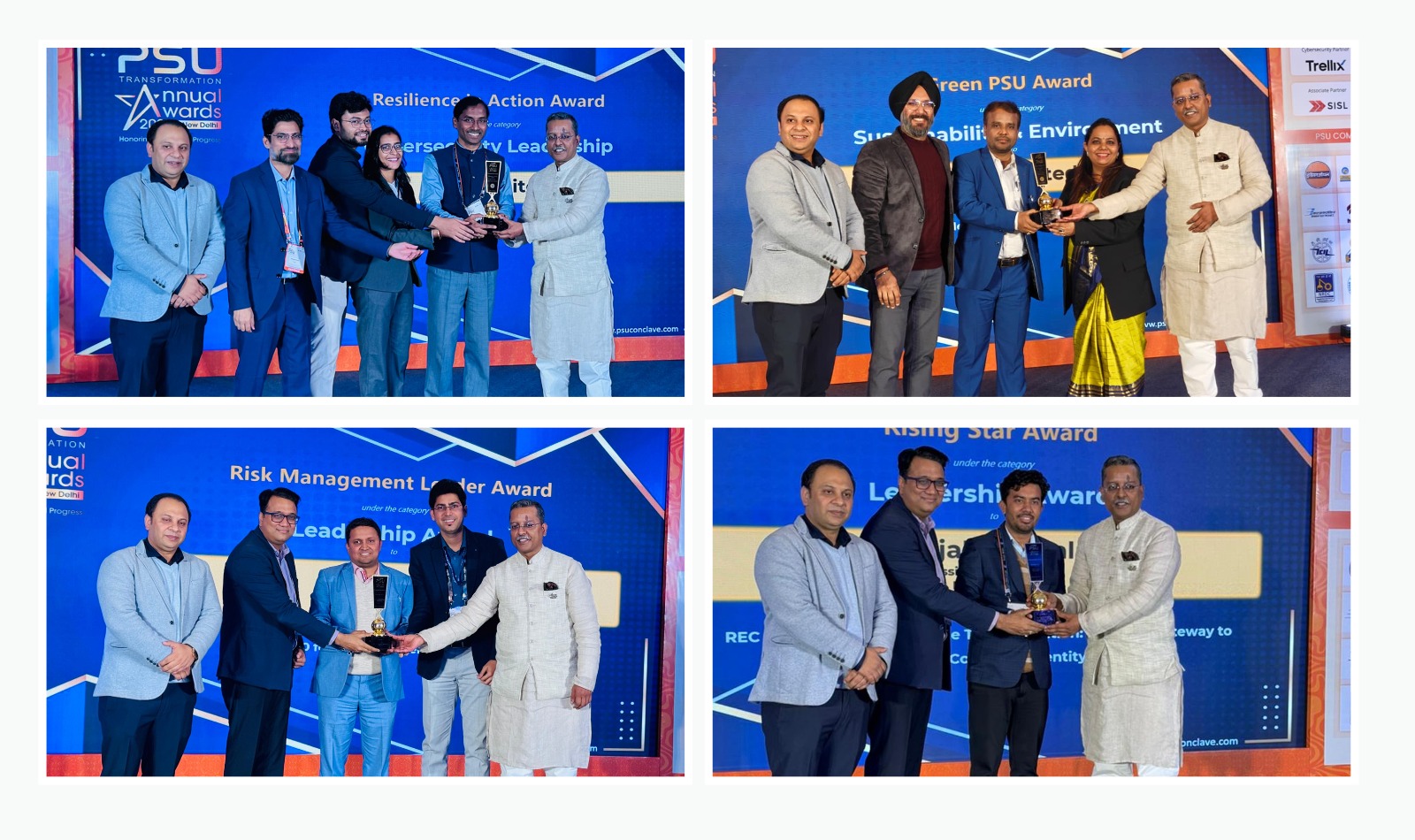
Piyush Goyal today said it was encouraging to see public sector banks competing on equal footing with private and foreign banks while addressing the MSME Banking Excellence Awards in New Delhi today. He said that public sector banks have emerged as strong and competitive institutions, standing shoulder to shoulder with private and foreign banks in supporting India’s growth.
Shri Goyal highlighted the critical role of the banking system in supporting micro, small and medium enterprises (MSMEs), noting that access to timely and adequate credit has been central to the growth of small entrepreneurs. He underlined that banks have played a key role in extending institutional finance to MSMEs, including small borrowers who earlier depended on informal sources of credit, thereby enabling them to start businesses, expand operations and improve their livelihoods.
Referring to the announcement of the India–New Zealand Free Trade Agreement earlier in the day, the Minister said it was the seventh FTA concluded under the guidance of Prime Minister Shri Narendra Modi. He noted that India’s recent FTAs have been signed with developed economies, reflecting a shift towards partnerships with countries offering complementary strengths and significant business opportunities.
Shri Goyal stated that India’s FTAs today are comprehensive in nature, encompassing not only market access for goods and services but also elements of technical collaboration to support innovators, farmers and entrepreneurs, thereby enhancing productivity and income. Referring specifically to the India–New Zealand FTA, he said New Zealand has made a binding commitment to invest USD 20 billion as foreign direct investment over the next 15 years. He added that this marked a significant shift compared to the USD 70 million invested by New Zealand in India over the past 25 years. The agreement, he said, includes provisions to claw back concessions if investment commitments are not met, making it a serious and enforceable commitment rather than a mere memorandum of understanding.
The Minister noted that the agreement is expected to bring substantial investments in innovation, manufacturing and exports, with India emerging as a manufacturing base not only for New Zealand but also for other global markets. He emphasised that the MSME sector would be the biggest beneficiary of these developments.
He called upon stakeholders to work together to rapidly realise the opportunities arising from the FTA and to aim at doubling, tripling and even quadrupling bilateral trade in goods and services. He also highlighted that the India–New Zealand FTA was negotiated by a team that was almost entirely women officers, making it the first such agreement finalised by women, and noted that India’s Ambassador is also a woman, underscoring the leadership role played by women in India’s growth journey.
The Minister also noted that the day marked National Mathematics Day, commemorating the birth anniversary of Srinivasa Ramanujan, and linked it to the role of bankers in managing numbers that ultimately translate into economic opportunity for MSMEs.
Congratulating the award winners, Shri Goyal expressed confidence that MSMEs, startups, incubators and young entrepreneurs would continue to receive strong support from the banking system, complemented by various government schemes.
Recalling initiatives undertaken to ease credit access for small entrepreneurs, Shri Goyal referred to the launch of the Mudra loan scheme in the first year of the Prime Minister Narendra Modi’s government and the credit guarantee measures introduced during the COVID-19 pandemic, under which the government became the guarantor for MSME loans without additional collateral. He highlighted that nearly 70 per cent of Mudra loans have been extended to women entrepreneurs. He also referred to the PM SVANidhi scheme, noting how small loans of Rs 10,000, subsequently enhanced to Rs 20,000 and Rs 50,000 based on repayment performance, have helped street vendors avoid exploitative moneylenders and improve their livelihoods.
Appreciating the efforts of banks in supporting small borrowers, Shri Goyal said such initiatives reflected the Prime Minister’s vision of “MSME” as “Maximum Support to Micro, Small and Medium Enterprises”. He observed that the world today views India as a trusted partner offering democracy, rule of law, national treatment to investors and decisive leadership. He attributed India’s transformation into the world’s fastest-growing large economy and a top five global economy to the collective effort of its people and institutions.
The Minister noted that global expectations see India moving from a USD 4 trillion economy to USD 30–35 trillion by 2047, presenting an eight-fold growth opportunity. He pointed out that banks recorded profits of around Rs 3 lakh crore last year, demonstrating their capacity to lend to honest borrowers. He added that MSME credit has grown at a compound annual growth rate of about 14 per cent in recent years, with even greater opportunities ahead as India expands its international trade arrangements while safeguarding the interests of farmers, MSMEs, fishermen and the dairy sector.
Calling upon banks to lend liberally and responsibly to support MSME growth, Shri Goyal said banks, now empowered and should continue to serve the nation with honesty and boldness. He encouraged speedy and transparent loan approvals and disbursements, adequate availability of capital for capex, opex and working capital, and proactive guidance to MSMEs to help them leverage government schemes and capital markets as they grow.
Stating that many large corporates today began their journey as MSMEs, the Minister said the strength of the MSME sector would ultimately determine India’s future growth. He urged banks to be active partners in this journey, describing MSMEs and banks as inseparable twins whose combined growth would power India towards Viksit Bharat 2047.
Congratulating the award winners once again, Shri Goyal extended his best wishes to all bankers and financial sector representatives for the year 2026, calling for faster, inclusive and sustainable growth during the Amrit Kaal.

Copyright © 2017 Indian Grapevine a unit of Integrated Media Enterprises