


Career Diplomat Vishwesh Negi Heads to Tehran as India's New Envoy Amid Regional Tensions
Vishwesh Negi, a 2002-batch IFS officer and Joint Secretary at MEA, has been appointed India's next Ambassador to Iran amid heightened tensions in West Asia.

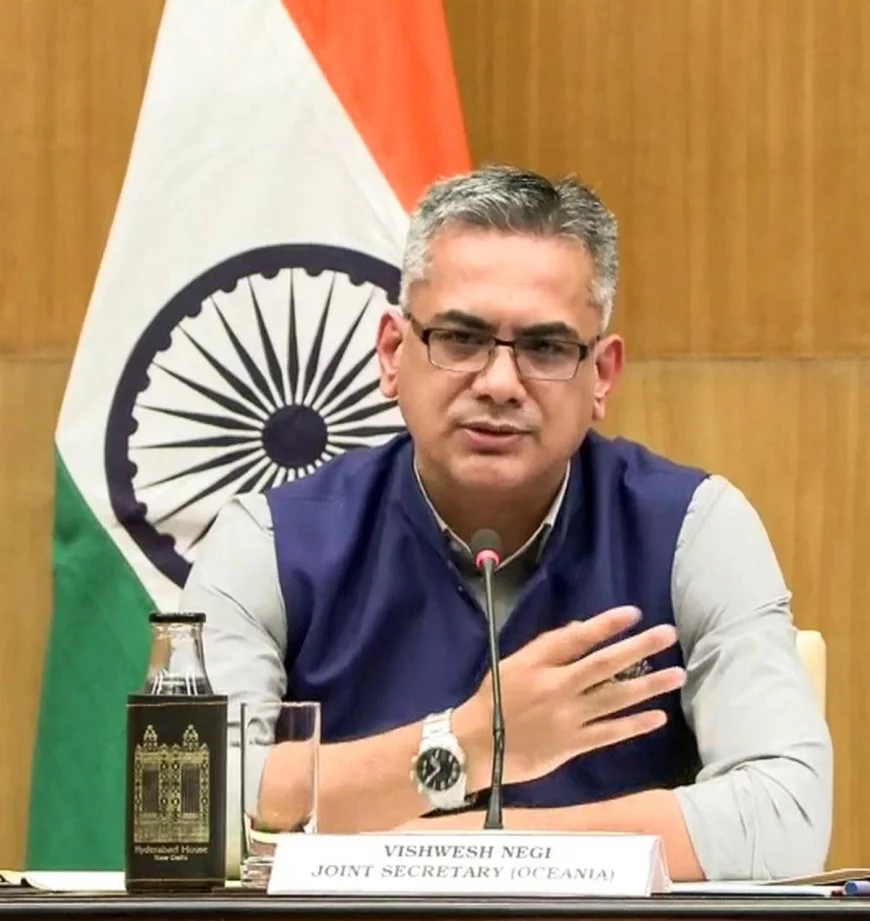
Vishwesh Negi, presently Joint Secretary in the Ministry of External Affairs, has been appointed as the next Ambassador of India to the Islamic Republic of Iran. Negi, a 2002-batch officer of the Indian Foreign Service, is expected to take up the posting in Tehran shortly after completing administrative formalities.
The Ambassador's post in Tehran carries particular weight at present, with India managing bilateral and regional interests that include trade, energy cooperation, connectivity projects and the safety of Indian seafarers and shipping transiting West Asian waters. India has repeatedly voiced concern over the security of commercial shipping routes, particularly around the Strait of Hormuz, amid escalating tensions in the region, making the Tehran mission one of the more operationally sensitive postings within the Indian Foreign Service's West Asia desk at this juncture.
Negi's appointment comes as External Affairs Minister S Jaishankar has been in direct contact with his Iranian counterpart, Abbas Araghchi, urging Tehran to avoid attacks on commercial shipping and seafarers, with New Delhi condemning any such attacks regardless of the party responsible and calling instead for dialogue. A response from the Minister of State for External Affairs in the Rajya Sabha noted that sixteen Indians, including ten seafarers, had been killed in the Middle East since the current phase of regional conflict began in late February.
As Joint Secretary at the Ministry of External Affairs, Negi has been involved in handling significant foreign policy matters and bilateral engagement, a role that placed him within the ministry's senior decision-making structure ahead of this ambassadorial elevation. His move to Tehran is part of a broader round of ambassadorial changes the MEA has been processing, including the appointment of a new envoy to Qatar, reflecting the ministry's periodic reshuffle of senior diplomatic postings across West Asia.
He succeeds Rudra Gaurav Shresth, who is expected to move on to become India's next Ambassador to Turkiye, continuing a pattern where experienced West Asia hands are rotated between adjoining postings in the region rather than sent in fresh from unrelated desks, a practice that keeps institutional familiarity with regional dynamics within the diplomatic corps handling Iran, Turkiye and the wider Gulf.
India and Iran maintain long-standing cooperation across trade, energy, connectivity and cultural exchange, alongside regular diplomatic consultations that have continued even as the wider regional security picture has grown more volatile. Negi's charge in Tehran will require him to balance this cooperative agenda against the more immediate demands of crisis management, including monitoring the safety of Indian nationals and shipping interests in a region where the security situation has remained unsettled through much of 2026.
No specific date for Negi's arrival in Tehran had been announced at the time of the Ministry's statement confirming his appointment.
The Tehran posting requires an ambassador capable of managing a relationship that spans deep historical ties, energy trade complicated by international sanctions on Iran, and ongoing negotiations over connectivity projects such as the Chabahar port, alongside the immediate crisis-management demands posed by regional instability. Negi's background handling important foreign policy files at the Joint Secretary level within the Ministry is likely to be tested quickly once he takes charge, given how fluid the security situation in the region has remained through 2026.
The appointment also comes at a moment when Indian diplomats in West Asia have had to devote increasing attention to consular and welfare issues affecting Indian nationals, including seafarers and migrant workers, as regional tensions have periodically disrupted shipping and travel across the Gulf and the wider West Asian region.