


Anil Verma Appointed Chairman of West Bengal Public Service Commission
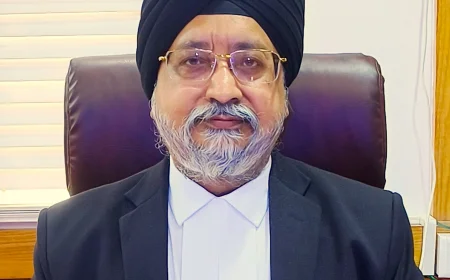
Anil Verma, a retired 1989-batch West Bengal cadre IAS officer, has been appointed Chairman of the West Bengal Public Service Commission.

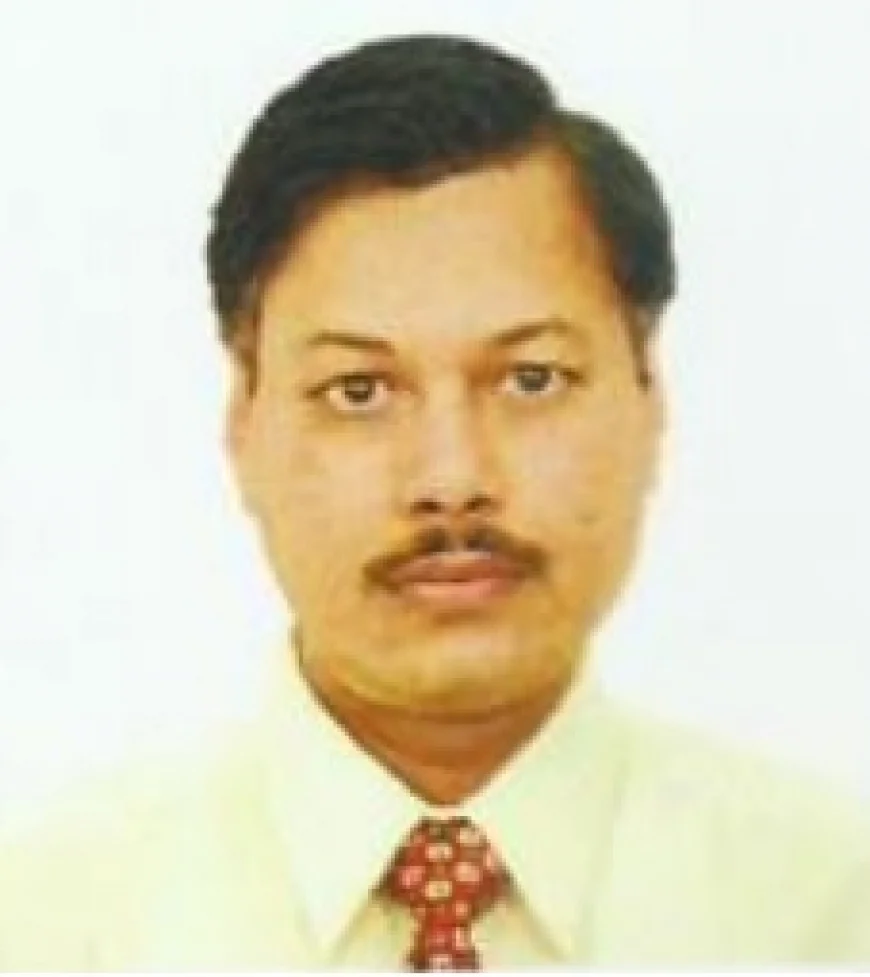
Anil Verma, a retired IAS officer of the 1989 batch of the West Bengal cadre, has been appointed Chairman of the West Bengal Public Service Commission. He was most recently Director General of the Netaji Subhas Administrative Training Institute, the state's premier civil service training academy.
The West Bengal Public Service Commission is the constitutional body responsible for recruiting officers into the West Bengal Civil Service and allied state services, conducting the examinations and interviews that determine entry into a cadre with a strength of over 1,600 executive-grade officers. The Commission's Chairman oversees recruitment integrity across a selection process with a success rate under one percent, and the position carries constitutional protection similar to that of a High Court judge, insulating the office from routine administrative pressure.
Verma's move to the Commission follows a lengthy career within West Bengal's state administration, capped by his most recent posting as Additional Chief Secretary and Director General of the Netaji Subhas Administrative Training Institute in Salt Lake, Kolkata, the institution responsible for training newly recruited West Bengal Civil Service officers before they take up field postings. Alongside that role, he held additional charge as Chairman of the West Bengal Valuation Board, the body responsible for property valuation matters that feed into the state's land revenue and stamp duty systems. His postings across successive years show him holding these dual responsibilities steadily, a pattern typical of senior IAS officers nearing the end of their state cadre service who are entrusted with institutional leadership roles rather than field administration.
As a 1989-batch officer, Verma's three-and-a-half decades in the West Bengal cadre would have spanned postings across multiple administrative functions before his training-institute assignment, the standard trajectory for officers of his seniority within the state's civil service structure. His appointment to WBPSC Chairman marks a transition from training the state's incoming civil servants to overseeing the examination process that selects them in the first place, a natural progression for an officer whose recent career had already centred on civil service capacity-building.
The Chairman's role at WBPSC carries particular significance in West Bengal, where the Commission's examinations feed not only the West Bengal Civil Service Executive cadre but also allied services including the West Bengal Police Service and West Bengal Commercial Tax Service, with WBCS officers eligible for promotion into the IAS after roughly 27 years of service. Verma's appointment places him at the head of a body whose selection decisions shape the state bureaucracy's composition for decades to come.
The appointment was confirmed through official channels, with Verma taking over from the previous incumbent to lead the Commission's day-to-day functioning, including presiding over examination boards and interview panels for the state's recruitment cycles.
Verma's move from the Netaji Subhas Administrative Training Institute to the Public Service Commission keeps him within the state's civil service ecosystem even after retirement from active IAS service, a common trajectory for senior retired officers in West Bengal, where the Commission's Chairman and Member positions are frequently filled by former administrators with training or personnel-management backgrounds rather than officers drawn directly from field postings.
His tenure at the Commission will place him at the centre of recruitment integrity questions that have periodically drawn public and political scrutiny in West Bengal, given the scale of competition for state government jobs and the Commission's role as the gatekeeper determining who enters the state's administrative machinery each year.