


Dr. Mansukh Mandaviya chairs 240th meeting of Central Board of Trustees (CBT), EPF
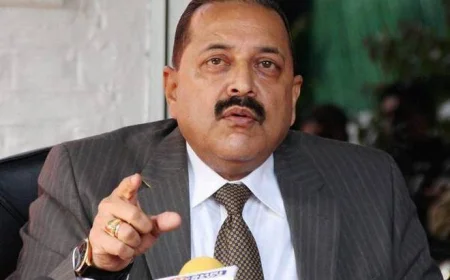
Dr. Mansukh Mandaviya, Union Minister for Labour & Employment and Youth Affairs & Sports, chaired the 240th meeting of the Central Board of Trustees (CBT), Employees’ Provident Fund (EPF) in New Delhi yesterday.

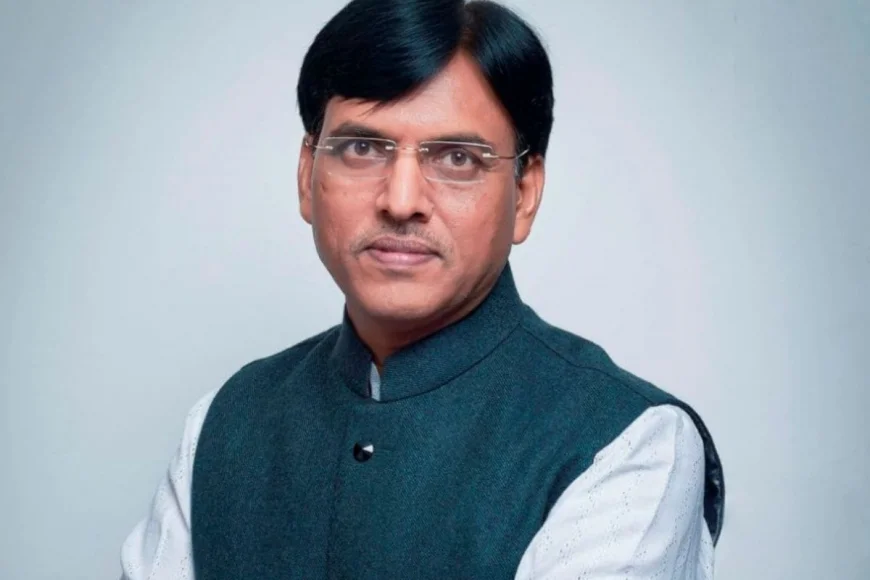
Dr. Mansukh Mandaviya, Union Minister for Labour & Employment and Youth Affairs & Sports, chaired the 240th meeting of the Central Board of Trustees (CBT), Employees’ Provident Fund (EPF) in New Delhi yesterday. Co-Vice-Chairperson Dr. Chandra Bhushan Kumar (Secretary, Labour & Employment), and Member Secretary Shri Ramesh Krishnamurthi (CPFC), alongside representatives of Central/State Governments, employers and employees, also attended the meeting.
The Employees’ Provident Fund Organisation (EPFO), in recent years, has introduced several key reforms and innovations to strengthen social security delivery through wider coverage, simplified claim settlement and digitalisation. These include enhancement in wage ceiling for mandatory EPF coverage from ₹15,000 to ₹25,000, introduction of simplified partial withdrawal rules and liberalised withdrawal limits, and rolling out of CITES 2.01, among others. With a view to taking this spirit of reform further, several key proposals were put forth by EPFO in today’s meeting, chaired by Dr. Mansukh Mandaviya.
The following agenda items were placed before the Board, relating to pension reforms, provident fund flexibility, investment management, governance, exemption policy and digital transformation of EPFO:-
- Introduction of Systematic Withdrawal Plan (SWP) for EPF Members: The Board approved a proposal to introduce Systematic Withdrawal Plan, which will enable retiring EPF members to receive their accumulated provident fund savings in periodic instalments instead of withdrawing the entire amount in one go.
This reform will enable retiring members to withdraw their accumulated provident fund savings at regular intervals, such as monthly, quarterly or half-yearly, based on their preference. This facility would provide members with a structured source of periodic income while allowing the remaining corpus to continue generating returns, thereby helping augment their retirement income and supplement their pension benefits. The facility would be entirely voluntary, with no compulsion on members to opt for withdrawals. The option may also be extended to eligible family members/beneficiaries, ensuring greater flexibility and financial security for the family. This aims to ensure stable post-retirement income, reduce reinvestment risks, strengthen fund sustainability and facilitate the extension of social security coverage to gig and platform workers.
SWP will enable members to convert their retirement savings into a stable and predictable stream of systematic withdrawals post-retirement, while preserving ownership of the underlying corpus. Approximately 6.32 lakh EPF members aged above 55 years possess provident fund accumulations exceeding ₹5 lakh are expected to be the primary beneficiaries of the proposed SWP framework during the initial phase. In case of the member's death during the payout period, the nominee or dependent will be able to withdraw the remaining balance or continue receiving periodic payments. The initiative will enhance retirement financial security by providing members with a flexible, regular and reliable income stream, while safeguarding their families' interests. Apart from the immediate potential beneficiaries indicated above, the SWP scheme is likely to attract many other PF members retiring in the future who seek an additional post-retirement stream of withdrawals from their accumulated PF corpus.