


CDRI Has Developed 13 Drugs That Have Reached the Market, Licensed Over 80 Process Technologies and Filed More Than 1,000 Patents: Dr. Jitendra Singh
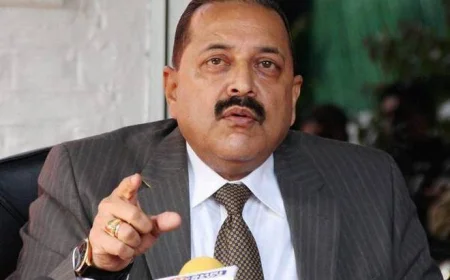
Union Minister of State (Independent Charge) for Science and Technology and Vice President, CSIR, Dr. Jitendra Singh yesterday inaugurated the state-of-the-art Biosafety Level-3 (BSL-3)/Animal Biosafety Level-3 (ABSL-3) Facility and Dr. B. Mukerji Lecture Theatre at CSIR-Central Drug Research Institute (CDRI), Lucknow, and hailed India’s health innovations saying that India is moving towards becoming a global hub for innovative drug discovery and development.

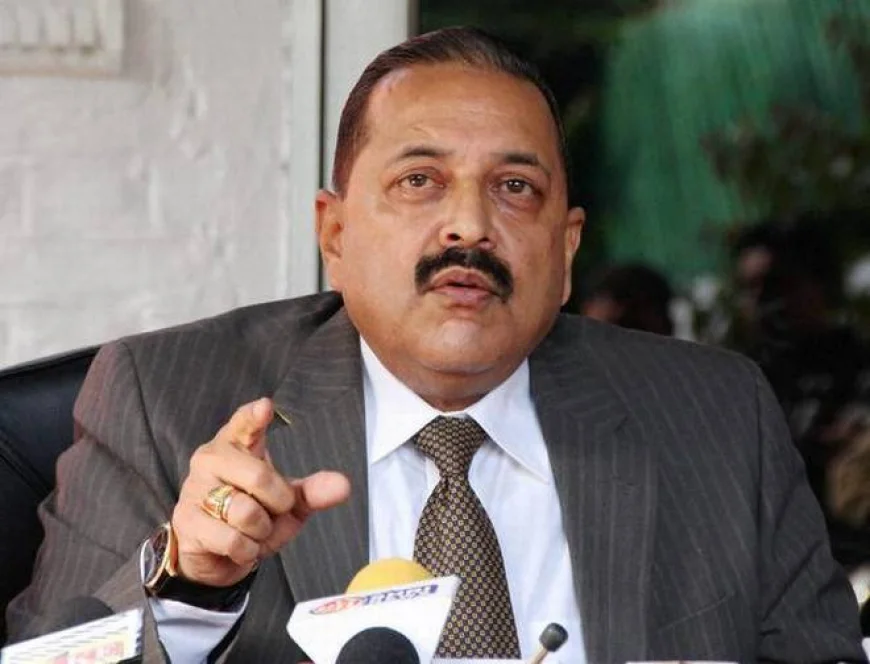
Union Minister of State (Independent Charge) for Science and Technology and Vice President, CSIR, Dr. Jitendra Singh yesterday inaugurated the state-of-the-art Biosafety Level-3 (BSL-3)/Animal Biosafety Level-3 (ABSL-3) Facility and Dr. B. Mukerji Lecture Theatre at CSIR-Central Drug Research Institute (CDRI), Lucknow, and hailed India’s health innovations saying that India is moving towards becoming a global hub for innovative drug discovery and development.
The Minister said that the country must now move beyond its established position as a major global supplier of generic medicines and emerge as a discoverer and developer of innovative therapeutics, with indigenous research, clinical development and industry partnerships playing a critical role in this transition. This shift, he said, is essential for strengthening India’s pharmaceutical leadership and achieving the vision of Viksit Bharat 2047.
The programme was attended by Dr. Radha Rangarajan, Director, CSIR-CDRI; Dr. Prabodh K. Trivedi, Director, CSIR-CIMAP; former Director of CSIR-CDRI Dr. Madhu Dikshit; representatives of ICMR–National Institute of Research in Tribal Health, Jabalpur; Uttar Pradesh University of Medical Sciences, Saifai; and Medanta Hospital, Lucknow, besides scientists, researchers, students, technical and non-technical staff and industry representatives.
The newly inaugurated BSL-3/ABSL-3 facility will provide high-containment research infrastructure for scientific studies involving Mycobacterium tuberculosis and non-tuberculous mycobacteria (NTM), strengthening the Institute’s capabilities in research on challenging infectious diseases. Dr. Jitendra Singh also congratulated CSIR-CDRI on the collaborative agreements signed with ICMR–National Institute of Research in Tribal Health, Uttar Pradesh University of Medical Sciences and Medanta Hospital, expressing confidence that these partnerships would lead to fruitful collaborative research programmes, accelerate clinical translation and deliver measurable benefits to society.
The Minister said that under the leadership of Prime Minister Narendra Modi, science, technology and innovation have become central to India’s national development, with a strong emphasis on research that addresses citizens’ needs and delivers tangible solutions. He cited CSIR-CDRI’s journey from drug discovery and clinical development to diagnostics, process technologies and affordable healthcare interventions as an example of how scientific research can translate into meaningful public benefit.
CSIR-CDRI has developed 13 drugs that have reached the market, licensed more than 80 process technologies and six diagnostic technologies, published over 12,000 research articles and filed more than 456 international patents and 586 patents in India. Its research infrastructure includes a compound library of approximately 90,000 molecules, more than 50 animal models and over 30 in-vitro screening systems, alongside advanced analytical instrumentation, GLP-certified toxicology and safety pharmacology facilities and specialised cardiac safety assessment infrastructure.
Referring to CDRI’s contribution to public healthcare, Dr. Jitendra Singh cited Centchroman, also known as Ormeloxifene, an indigenous non-steroidal, once-a-week oral contraceptive developed by the Institute. Its inclusion in the National Family Planning Programme in 2016 marked an important milestone in translating indigenous scientific research into a public health intervention. More than 350 lakh strips have been distributed free of cost to women across the country through ASHA workers during the last five years, with the current user base exceeding five lakh women.