


C. P. Radhakrishnan to inaugurate the fifth edition of Kashi Tamil Sangamam 5.0
C. P. Radhakrishnan, will inaugurate the fifth edition of Kashi Tamil Sangamam (KTS) to be held from 28 November to 12 December 2026, in Varanasi.

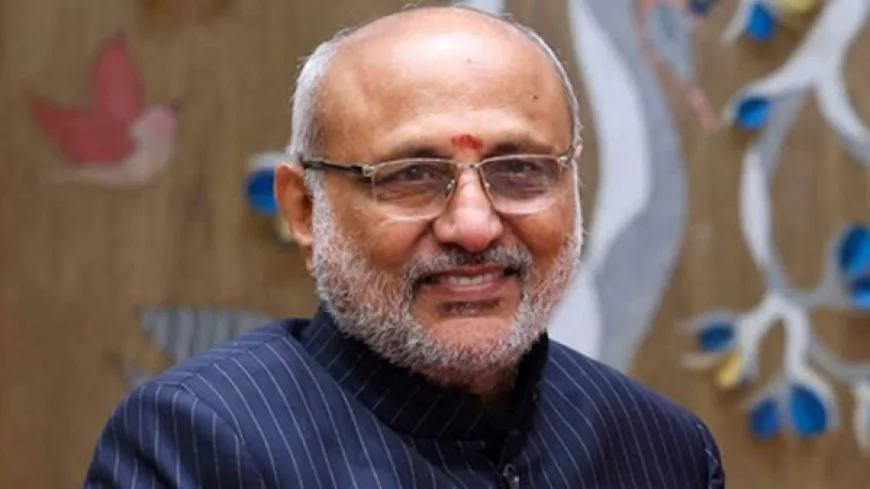
C. P. Radhakrishnan, will inaugurate the fifth edition of Kashi Tamil Sangamam (KTS) to be held from 28 November to 12 December 2026, in Varanasi. Union Minister for Defence, Shri Rajnath Singh, is scheduled to attend the valedictory session. The Event will bring together over 1,400 delegates to celebrate the centuries-old cultural, linguistic and civilisational ties between Tamil Nadu and Kashi.
The initiative, inspired by the vision of Prime Minister, Shri Narendra Modi, seeks to strengthen the bonds between the two regions and promote the spirit of Ek Bharat Shreshtha Bharat. The fifth edition will celebrate the timeless wisdom and ethical teachings of the Thirukkural, one of the most celebrated works of Tamil literature.
The Event is organized by the Department of Higher Education, Union Ministry of Education, in collaboration with IIT Madras, Banaras Hindu University (BHU), Central Institute of Classical Tamil (CICT), Uttar Pradesh Government and several Central Govt Departments and Ministries.
Theme for KTS 5.0 - “Thirukkural Payilvom – Thirukkural Abhyas Karen”
The theme of Kashi Tamil Sangamam 5.0 is “Thirukkural Payilvom – Thirukkural Abhyas Karen”, meaning “Let us Learn the Thirukkural”. The focus is on fostering awareness and understanding of the timeless wisdom of the Thirukkural, particularly among students and youth, while encouraging appreciation of India's rich literary traditions and enduring cultural heritage.
The Thirukkural, authored by the celebrated Tamil poet and philosopher Thiruvalluvar, is one of the most enduring works of Tamil literature and continues to offer guidance across generations. Its 1,330 couplets explore ethics, governance, human relationships, compassion, discipline and responsible living. The text is divided into three parts, Aram (Virtue), Porul (Wealth) and Inbam (Love), encompassing the principles of righteous conduct, social and political life, and human relationships.