


IPS Officers Raja Babu Singh and D P Gupta to Get DG Rank in Madhya Pradesh
IPS officers Raja Babu Singh and D P Gupta, both of the 1994 batch, Madhya Pradesh cadre, will be promoted to Director General rank effective September 1.

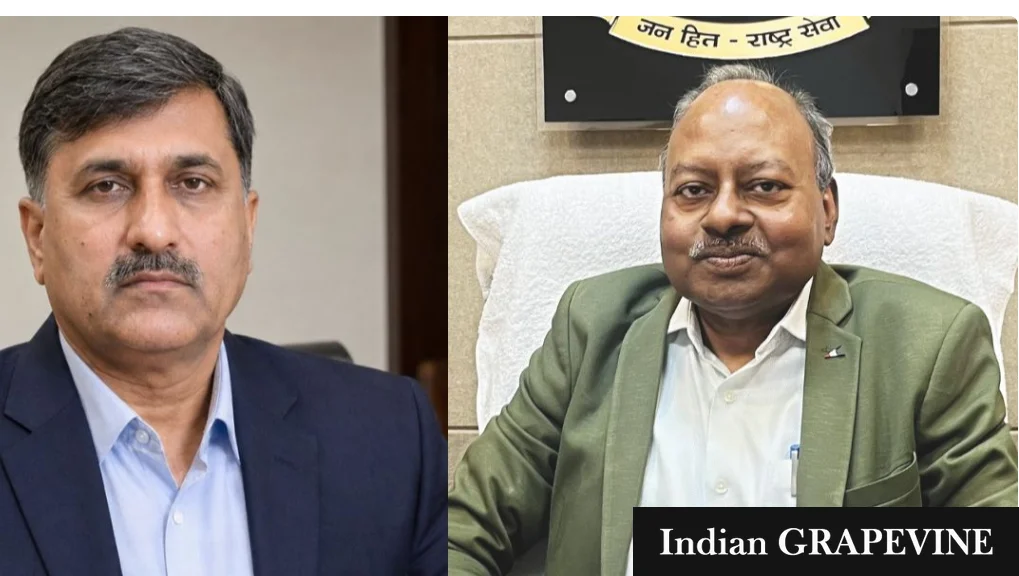
IPS officers Raja Babu Singh and D P Gupta, both of the 1994-batch Madhya Pradesh cadre, will be promoted to Director General rank with effect from September 1, according to a state government order. The promotions place two officers from the same UPSC batch at the DG level simultaneously within Madhya Pradesh's police hierarchy.
Director General is the apex rank in the Indian Police Service, typically held by officers heading the state police force, specialised wings such as intelligence and vigilance, or training establishments, and carries with it eligibility for some of the most senior postings within a state cadre, including the post of state Director General of Police itself. The promotion of Singh and Gupta adds two more officers to the pool of DG-rank officers eligible for such assignments in Madhya Pradesh in the years ahead.
Raja Babu Singh, originally from Banda in Uttar Pradesh, cleared the UPSC Civil Services Examination and joined the IPS in 1994, and has spent the bulk of his three-decade career within the Madhya Pradesh cadre, including a period on central deputation before his repatriation to the state. He has more recently served as Additional Director General, Training, at Police Headquarters in Bhopal, and holds decorations including the Police Medal for Gallantry, awarded in 2014, and the Police Medal for Meritorious Service, awarded in 2013.
Both Singh and Gupta belong to the batch of IPS officers who entered service in September 1994, a batch that has now completed roughly 32 years in the force, placing its members at the seniority level typically associated with DG-rank eligibility. Officers at this stage of the cadre are generally within a few years of superannuation, meaning DG-rank postings often carry a shorter tenure horizon than earlier career promotions.
The promotions follow the standard process for elevation to DG rank in state cadres, which requires empanelment by the state government based on vacancy availability at the DG level and the officer's service record, before formal orders are issued specifying the effective date. The September 1 effective date gives the Madhya Pradesh government roughly two weeks from the date of the order to work out revised postings consistent with the officers' new rank.
Madhya Pradesh's police hierarchy has seen a series of senior-level movements through 2026, with the state government periodically elevating officers from the 1994 and adjoining batches as vacancies open up at the Additional Director General and Director General levels. The promotion of two officers from the same batch on the same date reflects how batch-wise seniority continues to shape the pace of elevation within the state cadre, rather than any single vacancy driving the decision. Cadre-watchers within the state police force note that DG-rank strength directly affects how many senior charges the state can fill without seeking officers on deputation from other cadres, and further elevations are expected as more 1994-batch officers approach the seniority threshold in the coming years.
Neither officer's specific post-promotion posting has been announced alongside the rank elevation, and further orders assigning Singh and Gupta to DG-level charges are expected once the promotions take effect on September 1. State officials said posting orders typically follow rank promotions within a few weeks, once the government has finalised which DG-level charges each officer will take up.
D P Gupta, the second officer named in the order, has served across a range of postings within the Madhya Pradesh cadre, though the state has not released a detailed posting history alongside this announcement. Both officers' elevation comes as the cadre is expected to see a cluster of similar promotions over the next two to three years.