


J.P. Nadda Reviews Progress of Lady Hardinge Medical College and its Associated Hospitals
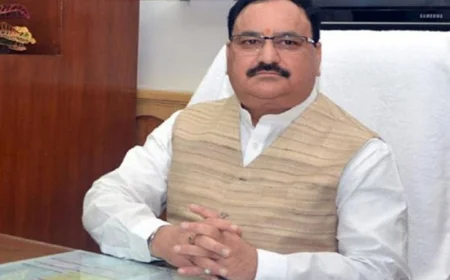
J.P. Nadda reviewed the progress of Lady Hardinge Medical College (LHMC) and its associated hospitals, Smt. Sucheta Kriplani Hospital (SSKH) and Kalawati Saran Children’s Hospital (KSCH), with a focus on strengthening healthcare infrastructure, specialised clinical services, medical education, research and patient care.

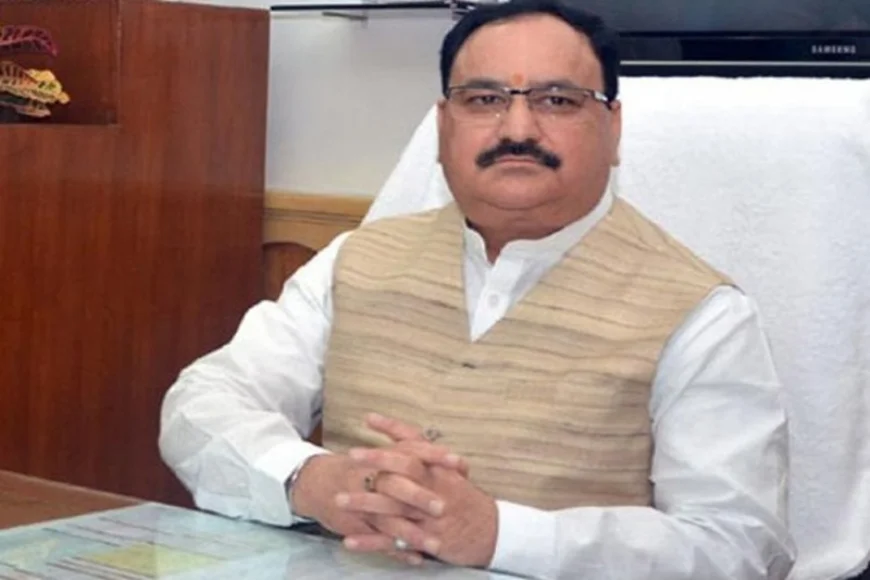
J.P. Nadda reviewed the progress of Lady Hardinge Medical College (LHMC) and its associated hospitals, Smt. Sucheta Kriplani Hospital (SSKH) and Kalawati Saran Children’s Hospital (KSCH), with a focus on strengthening healthcare infrastructure, specialised clinical services, medical education, research and patient care.
During the review meeting, the Minister was apprised of the ongoing augmentation of Kalawati Saran Children’s Hospital. The project envisages increasing the hospital’s total bed capacity from 394 to 894 beds, ICU capacity from 40 to 200 beds and the number of Operation Theatres from 4 to 12. Construction work on the KSCH campus is underway and is aimed at strengthening tertiary and super-speciality paediatric care, while also expanding capacity for undergraduate, postgraduate and super-speciality medical education and training.
Addressing the review meeting, Shri Nadda emphasised that the ongoing and upcoming projects at LHMC and its associated hospitals must be planned with a patient-centric and future-oriented approach, keeping evolving medical requirements at the core. He stressed that planning and design should draw upon the expertise and best practices of leading institutions in the relevant fields, while ensuring high quality of construction and strict monitoring of project timelines. He called for timely escalation of issues requiring approvals and clearances to the Ministry and emphasised that infrastructure expansion and recruitment of nurses, doctors and other healthcare professionals must progress concurrently.
Looking ahead, he called for a comprehensive master plan with a long-term institutional vision, combining immediate priorities with phased development and a forward-looking perspective for the coming decades. He also encouraged exploring private-sector expertise and partnerships, wherever appropriate, in planning and implementing major projects, while ensuring that quality, efficiency and patient care remain central to all such initiatives.